Motorcycle battery terminal connector types for a project purchase

A powersports distributor and a shelter crew can both buy terminals, but the constraints are not the same. Write the project use, then the documents, the delivery stages and the site limits that the factory must respect.

  1. UseService cart, bike, or 48 V DC plant
  2. InterfaceFlag, stud, ring or clamp
  3. SiteVibration, salt, or cabinet heat
  4. PapersDrawing, plating, condition
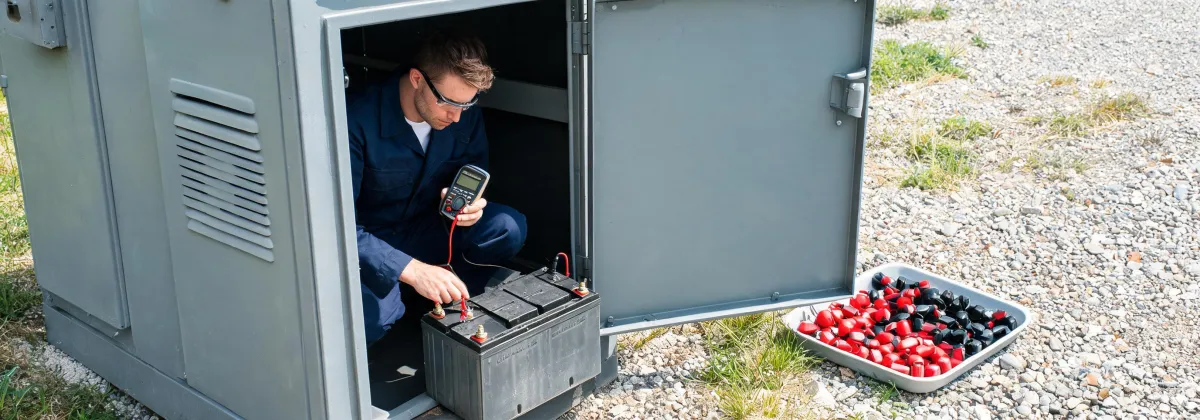
Field technician measuring a battery stud beside a radio cabinet

Lifecycle checks that change the purchase

New versus refurbished terminals

New parts can make the support path easier to read because the surface and the warranty start together. Refurbished parts can cover a legacy stud when the original flag is gone, but the seller has to state what was replaced and what finish remains. Quote both only if the condition column is explicit. Do not blend the two prices.

Coded host parts versus compatible hardware

A battery lug follows the host stud and the cable. Ask whether the quote is the original terminal outline or a compatible outline, and keep stud size, cable gauge, and plating on that line. A compatible lug is acceptable only when those three match the drawing.

What the lug line has to carry

Ask for stud size, cable gauge, plating, and whether the price is the lug alone or the lug with the lead attached. Current for that conductor, and the temperature-rise basis, stay on this line. A quote that cannot name those items is an incomplete alternate, not a lower price for the same lug.

A procurement situation, not a customer quote

Background: a two-site buyer needs motorcycle battery terminal connector types for a service bench and a separate 6 AWG jumper for a shelter battery string. The bike flags see road vibration. The shelter lugs see cabinet heat and a short bend radius.

Process: the buyer measures a 6 mm stud on one bike and an 8 mm stud on the shelter bus, records tin plating as preferred, and asks two factories to quote the flags and the lugs as separate lines with mating-cycle method and ingress protection called out.

Result: the replies can be compared line by line. One factory had folded a boot into the piece price and the other had not, so the buyer sends both back to the same Incoterm before any ranking. No percent saving is claimed, because the offers were not yet on one scope. Calibration traceability and measurement accuracy stay with the meter used to check resistance, and the factory still has to show its own test note.

Connector mating cycle remains the lifecycle number for the terminal itself. Ask for it when the flag will be removed and refitted, and leave it off when the lug is crimped once and left in place.

Delivery questions to settle with the site

Which documents travel with the lot?

Ask for the drawing revision, the plating note and the packing list tied to the lot number. A generic ISO brochure from a different product does not answer the terminal.

What site limit changes packing?

A shelter with a narrow door may need shorter cartons. A bike shop may want small bags per stud size. State that limit so the factory does not assume a pallet.

Where is incoming inspection defined?

Name who checks stud fit, pull on the crimp and polarity marking. If a third party inspects, the quote should say who pays and whether it is before shipment or after arrival.

Project pages still return to the inquiry names when you are ready to attach a row to the brief.

Compare quotes after the lines match

  • Same terminal type, gauge and quantity
  • Same currency and per-piece or whole-order basis
  • Same destination and Incoterm
  • Evidence pinned to the exact model

Send the project use with the form. We coordinate factory replies. We do not approve the installation.